
Australia has enforced a ban preventing anyone under 16 from using major social media platforms, introducing one of the world’s strongest online safety laws. The measure, which came into effect after midnight on Wednesday this year, places the responsibility entirely on tech companies to identify and remove underage users or face fines of up to US$33 million.
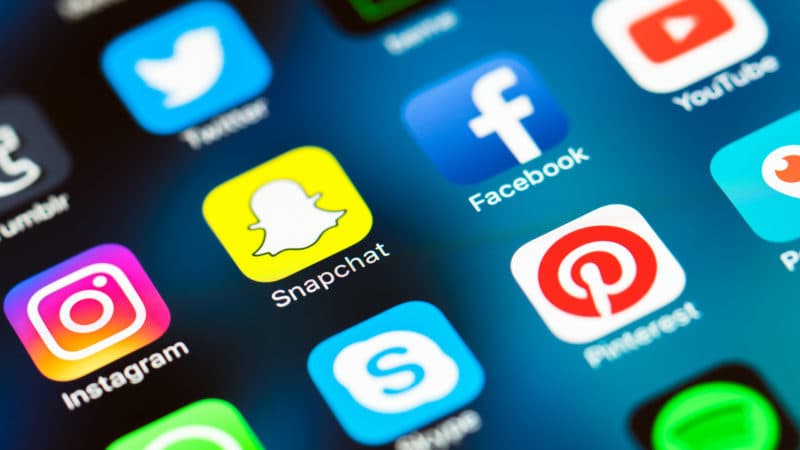
Platforms including Facebook, Instagram, YouTube, TikTok, Snapchat, Reddit, X, Threads, Kick and Twitch are now legally barred from hosting accounts belonging to Australian children under 16. The government says the step became unavoidable as concerns grew over the impact of constant online exposure, bullying, violent content and algorithm driven feeds that often show children material they are unprepared for.
Prime Minister Anthony Albanese said the ban was a response to a “significant social change” that had outpaced existing protections. According to him, the goal is not to restrict expression but to create space for children to grow without the pressures and risks that come with early social media use. He argued that the influence of powerful tech companies had become too great and that it was time for governments to reclaim control.
Many parents supported this decision as a response to the difficult times they have had with social media affecting their kids; those people who have been dealing with serious instances of online bullying or negative material expressed a desire that this type of action could prevent similar tragedies from happening again. Others suggest that while this law may not fix every problem, it does provide affirmation that protecting children's well-being is a priority.
There is a growing body of scientific evidence that shows that using social media in excess can disrupt sleep patterns, cause anxiety, and have negative impacts on body image in adolescents. Researchers and experts in these fields also argue that there is still considerable research to be done before arriving at an absolute understanding of the extent of the damage caused by social media on adolescents.
Tech companies, meanwhile, have pushed back. Meta, YouTube and TikTok have said they worry the ban will drive young users to less regulated corners of the internet. X stated that its compliance is purely due to legal obligation. Some platforms are considering legal challenges, arguing that verifying age through AI or government IDs raises privacy concerns.
There are also signs that young users are already shifting to smaller or lesser known apps not explicitly covered by the ban. Apps such as “Lemon8” and “Yope” climbed Australia’s download rankings shortly after the rules went into effect.
The Australian government has acknowledged that enforcement will be imperfect at first. Age verification methods differ across platforms, and determined teenagers will likely attempt to bypass restrictions. Still, Canberra says the threat of substantial fines will push companies to take “reasonable steps,” including improving verification tools and removing flagged accounts.
Countries outside of Australia will be watching closely to see what occurs in Australia. New Zealand and Malaysia are already looking into their own regulatory restrictions for social media, and Australia will likely influence their discussions and decision-making related to protecting children's safety on the internet.
As conversations about this topic continue, any service that is currently prohibited or exempt could still be reviewed, and the Government has stated that they will continue to review the services listed and add others as appropriate.