
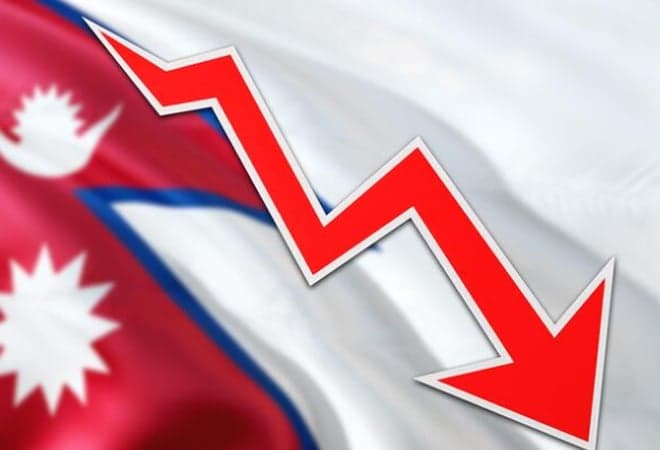
Nepal’s economy is facing increased pressure as business confidence drastically falls after the recent Gen Z protest. The unrest has left close to Rs 1.1 trillion idling in the banking system due to limited credit growth, which has contributed to an excess of loanable funds, but weak demand and low investor confidence. Investor fear instilled by the protests has also continued to weaken business confidence and raise fears over capital flight, making for a challenging situation for entrepreneurs and the private sector.
The World Bank’s most recent report updated projections on Nepal’s economic growth to only 3.1 percent for this fiscal year, down from a prior estimate of 5.2 percent, noting the negative effects on the economic growth trajectory of the damages to businesses and commercial property as well as any potential political instability after the protests. Chandra Prasad Dhakal, President of the Federation of Nepalese Chambers of Commerce and Industry (FNCCI), said the private sector was severely impacted during the Gen Z uprising, with unsubstantiated risks to business establishments due to vandalism and destruction of hotels, homes, factories and buildings, directly affecting confidence and affecting their financial position estimated at Rs 88 billion. The private sector accounts for about 81 percent of the economy, provides 86 percent of the employment, and pays more than 80 percent of the income tax in the economy. Because of these reasons, the health of the economy is reliant on the health of the private sector.
Concerns about attack by business houses, multinational companies, and high-end hotels have emerged amongst domestic as well as foreign investors. Although internal indicators show signs of economic stress, external indicators like as foreign reserves and trade balances have remained stable. Finance Minister Rameshore Khanal pointed out that investment might be endangered if no security against investment is provided. Former finance minister insisted that unless those committing arson, looting, and vandalism are brought to justice, impunity will spread, and the risk of capital flight will increase.
Minister Khanal has reiterated the commitment of the government to restore the trust of the business community. He said that morale plays a key role in the development of the economy and urged both the government and private sectors to renew their efforts. Businessmen across the country are in discussions to address their ongoing problems and restore confidence.
Nepal Rastra Bank Governor Dr Bishwonath Paudel further encouraged the private sector to take full use of the current monetary environment, which has good circumstances such that there are low-interest rates, sufficient liquidity, and foreign currency held in excess of 2.2 trillion rupees. It was urged that in this setting, the private sector should utilise the opportunity to augment production, bolster employment, and strengthen economic growth while keeping their spirits high in light of the loss of business confidence.
In summary, the economic environment in Nepal is considered precarious as the private sector, or the bulk of the employment and economic base of the country, struggles with losses incurred due to political chaos. A convergence of liquidity being left idle, depressed confidence in business and investor view of prospects puts the ongoing recovery of the economy is a precarious one. Both the government and private sector need to combine their efforts.