
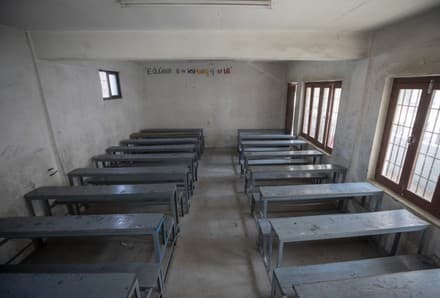
Kathmandu Metropolitan City’s recent notice asking 107 non-operational schools to come into contact has once again drawn attention to long-standing gaps in education governance in the capital.
According to the metropolis’s education department, dozens of schools that were previously approved to operate were found either closed or non-existent during repeated field inspections. The institutions continue to appear on the official list; however, they do not have an active presence on their site, which resulted in the metropolitan authority issuing a warning stating that once the provided 15 days period expired without a response, their sanction would be withdrawn.
While this action indicates an effort to improve oversight, it serves to illustrate systemic problems within the education system as well. Education officials admit that weak monitoring mechanisms over the years have allowed inactive schools to remain officially registered, raising questions about record management, accountability, and enforcement.
A decision taken by the Metropolitan City Education Committee in September authorized inspections and verification, eventually allowing the education department to recommend cancellation of approvals under the Kathmandu Metropolitan Education Act, 2018. Officials say the process is necessary to clean up outdated records and ensure that only functional institutions remain recognised.
However, education observers note that the issue goes beyond administrative housekeeping. Failing schools, when they remain on official lists, can negatively impact educational planning by misrepresenting service area coverage and opening access for the misuse of registrations.
“If schools can remain approved without operating for years, it reflects systemic weaknesses rather than isolated lapses,” an education governance expert said, adding that regular audits should be institutionalised rather than triggered sporadically.
The metropolis has said that schools currently in operation but listed as inactive must present supporting documents to the education department. Failure to do so will lead to recommendations for closure.