
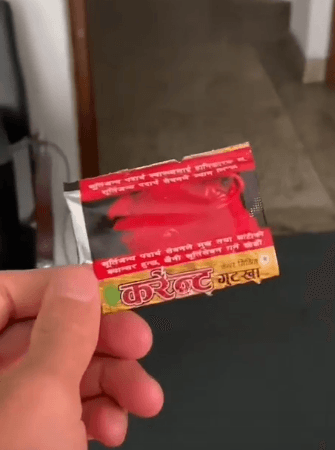
Although a government directive prohibiting the use of plastic packaging for tobacco and gutkha products was announced to take effect on 1st Baisakh 2081, enforcement has been weak and many businesses continue to offer these products packaged in plastic. This policy intends to reduce environmental pollution while increasing the availability of biodegradable packaging options. However, no clear standards have been established by the policy, nor have any regulations been passed to allow businesses to transition away from plastic.
The Kathmandu Metropolitan announced in Mangsir 2080 that the entire process of distributing and selling tobacco packaged in plastic will no longer be permitted. Yet, streets and shops remain filled with these products. Many shopkeepers sell plastic-wrapped gutkha and tobacco simply because it arrives from the industry that way, and demand exists. A local dairy shop owner explained, “We sold these because there was demand. We weren’t aware that selling products in plastic packaging was prohibited.”
Regulatory contradictions add to the problem. The Inland Revenue Department allows excise stickers on these plastic-wrapped products, claiming they are “reprocessable,” which conflicts with environmental guidelines. Meanwhile, the Environment Department struggles to define technical standards for biodegradable packaging. Without clear rules, monitoring and penalizing violations becomes legally complicated. Although a monitoring task force was announced in Shrawan 2080, it has yet to be formed, leaving enforcement largely symbolic.
A prominent argument made by stakeholders within the industry is that the fragmented and uncoordinated nature of regulation for imported and domestic products has caused much confusion. Products that are imported, such as tobacco and gutkha packaging, will arrive already in a plastic package, which avoids domestic regulation. At the same time, manufacturers producing products for domestic consumption will receive a fine or penalty for not meeting an unclear compliance standard.
Countries such as India, China, the UAE, and Europe have transitioned to using biodegradable and, in some cases, water-based packaging for similar products, with a deadline of 2025-2026 to stop producing single-use plastic products. Therefore, Nepal is falling behind on implementing a policy to ban plastic products.
Clear definitions of standards, increased coordination and communication between agencies, and increased public education are critical for effective implementation. If immediate action is not taken, it is likely that the government's plans to stop using plastics in tobacco and gutkha packaging will not be successful.