
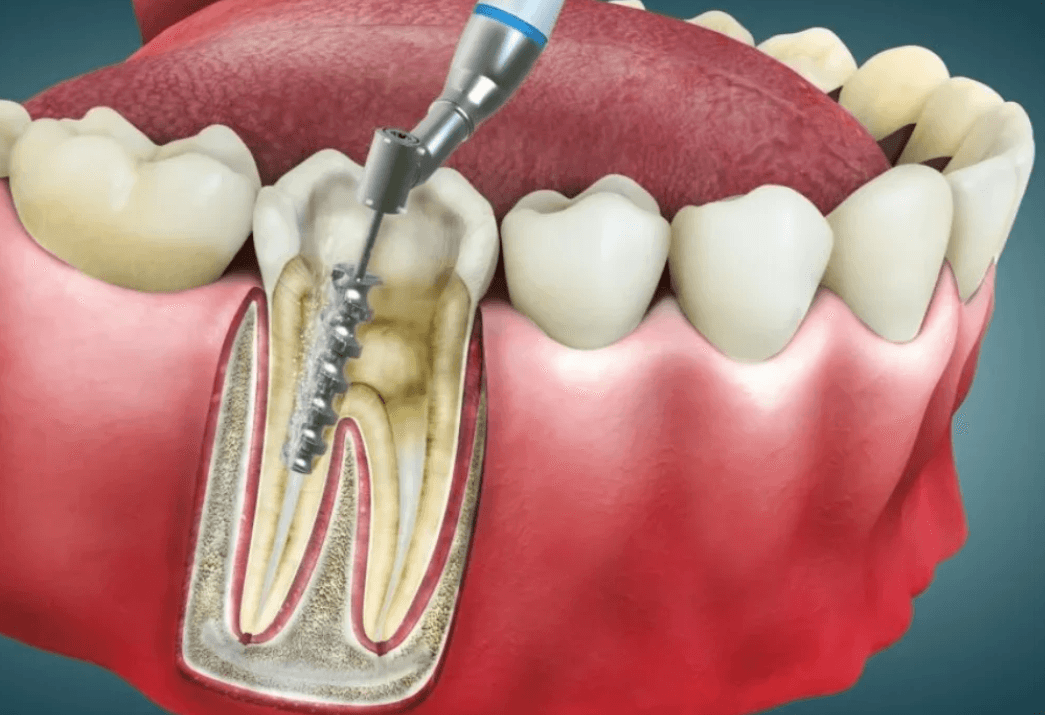
A modern procedure known as Root Canal Treatment (RCT) has been established as one of the most important procedures to save teeth when bacteria have penetrated the innermost section of a tooth called the pulp. Unlike regular fillings that only treat infection that has extended to the dentinal layer, RCT completely removes infected tissue from inside the root canal of the affected tooth, thus preventing the bacteria from continuing to multiply and developing any further complications.
Dr. Subash Ghimire, Om Samaj Dental Hospital, states that RCT is prescribed for patients who are suffering from ongoing or severe dental pain caused by extensive tooth decay or inflammation to the pulp. This process begins with the thorough cleaning of the root canal to completely rid the area of bacteria, and then the final step consists of filling the root canal with a substance known as gutta-percha and restoring the remaining visible part of the tooth with what is known as tooth-coloured filling in order to restore the normal function and appearance of the tooth.
The technological advancements that have been made over the years in dentistry now allow for RCT treatments to either be completed in one visit or over several visits, depending upon the condition and complexity of the tooth. A single-session RCT can sometimes be done in as little as 15 minutes, while more complex cases may require additional appointments. After RCT, the treated tooth is structurally weaker. Dentists recommend placing a crown to prevent fractures and ensure long-term durability.
The cost of RCT varies depending on complexity and treatment speed. A standard procedure typically costs between Rs 3,000 and Rs 4,500, while single-session treatments or more advanced procedures may go up to Rs 8,000. When RCT is performed by a qualified professional, the risk is low. However, taking care of yourself following treatment is very important. Patients should learn to eat mindfully; this means taking time to enjoy meals, as well as following any instructions given by their dentist regarding care of the treated tooth.
In addition to preserving teeth, RCT helps maintain overall oral health by stopping the infection from spreading to other nearby teeth, gums, or surrounding areas. The correct follow-up items (crowns) and oral hygiene practices determine how long the RCT is successful. "The importance of educating patients on how best to care for their teeth following RCT cannot be stressed enough; complying with your dentist’s instructions, as well as educating oneself on the proper way to take care of treated teeth, is vital for maintaining healthy teeth in the future," says Dr. Ghimire.