
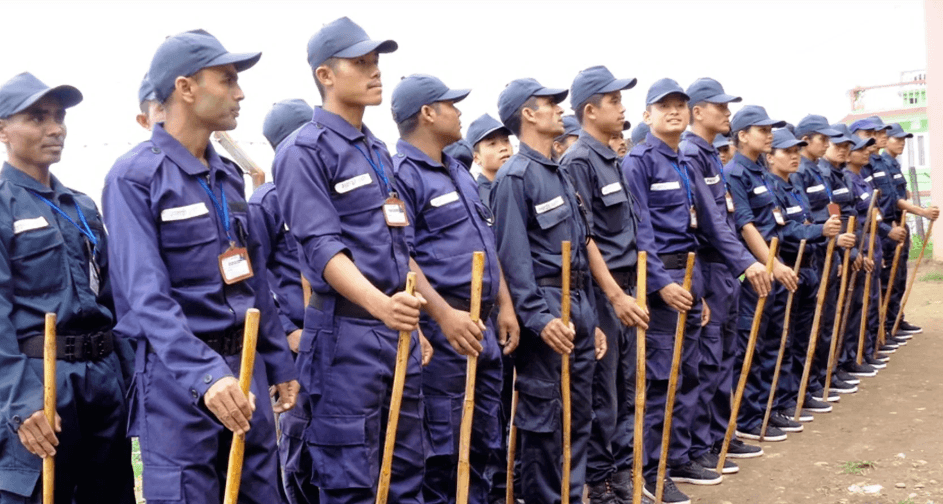
As Nepal prepares for its parliamentary elections on March 5, the country has seen a dramatic response to its recruitment call for temporary police officers; however, this is also a symptom of a much larger problem facing Nepal's youth: widespread poverty and a lack of sustainable employment opportunities. In addition to civic duty, the main motivation behind thousands of young Nepalis applying for temporary election policing positions is a desperate need to support themselves financially.
The Nepal police have stated that they will recruit about 134,000 temporary election police from across the country, with application deadlines now. In less than four days, applicants lined up in front of police stations in all 77 districts to submit their applications. Many applicants commented that it is a great opportunity for them, given their inability to find a decent job and the large number of Nepalis searching for work. The overwhelming response to this recruitment process is still being filed by the young people of Nepal, who were part of the major uprising that resulted in the downfall of the last government due to ongoing protests based on anger over the corrupt activities of the government and ongoing economic hardships throughout the Nepali society. The protests focused the people's anger and highlighted the corruption and failures of the current government, both at the local and the national levels, as well as created a sense of renewed hope for the young people.
According to estimates, Nepal's economy lost approximately $586 million in value and 14,925 people's jobs; many young Nepalis were already working informally or unemployed, and as a result, the recent shocks to the Nepali economy have made their financial situations even more unstable. The election positions are seen as short-term solutions by those who apply, but they are offering applicants a chance to make a meaningful financial impact on their families. Applicants who are selected for these positions will earn approximately $280 for working for 40 days, an amount that will be of significant financial benefit given that Nepal had a GNI per capita of $1,404 in 2025. The roles include managing polling queues, transporting ballot boxes, and assisting with election logistics.
The rush also reflects broader labour trends. Government data shows that more than 839,000 Nepalis left the country last year for foreign employment, while the World Bank estimates that 82 percent of Nepal’s workforce remains in informal employment. Against this backdrop, even short-term state employment becomes highly competitive.
As election preparations continue, the temporary police recruitment drive has become a mirror of the country’s economic pressures. While the polls aim to restore political stability after months of unrest, the long queues of young applicants quietly signal an unresolved question: what happens after the ballots are counted and the temporary jobs end?